We All Try to Avoid Tourist Traps
Everyone loves to say they “avoid tourist areas.” Travelers swap tips on how to escape the crowds, find hidden gems, and experience a place authentically. And while that’s a great way to travel, the truth is, we all end up in tourist hotspots at some point. Some places simply can’t be ignored—the Red Torii gates of Kyoto, the Florence Cathedral, Times Square. These places are famous for a reason, and skipping them entirely can mean missing something special.
I’ve heard many travellers say the same thing: “It’s too crowded to enjoy”, “It’s all overpriced”, “It doesn’t feel authentic.” I used to agree. I’d step into a packed square or temple and immediately want to leave. But then photography changed everything.
How Photography Shifted My Perspective
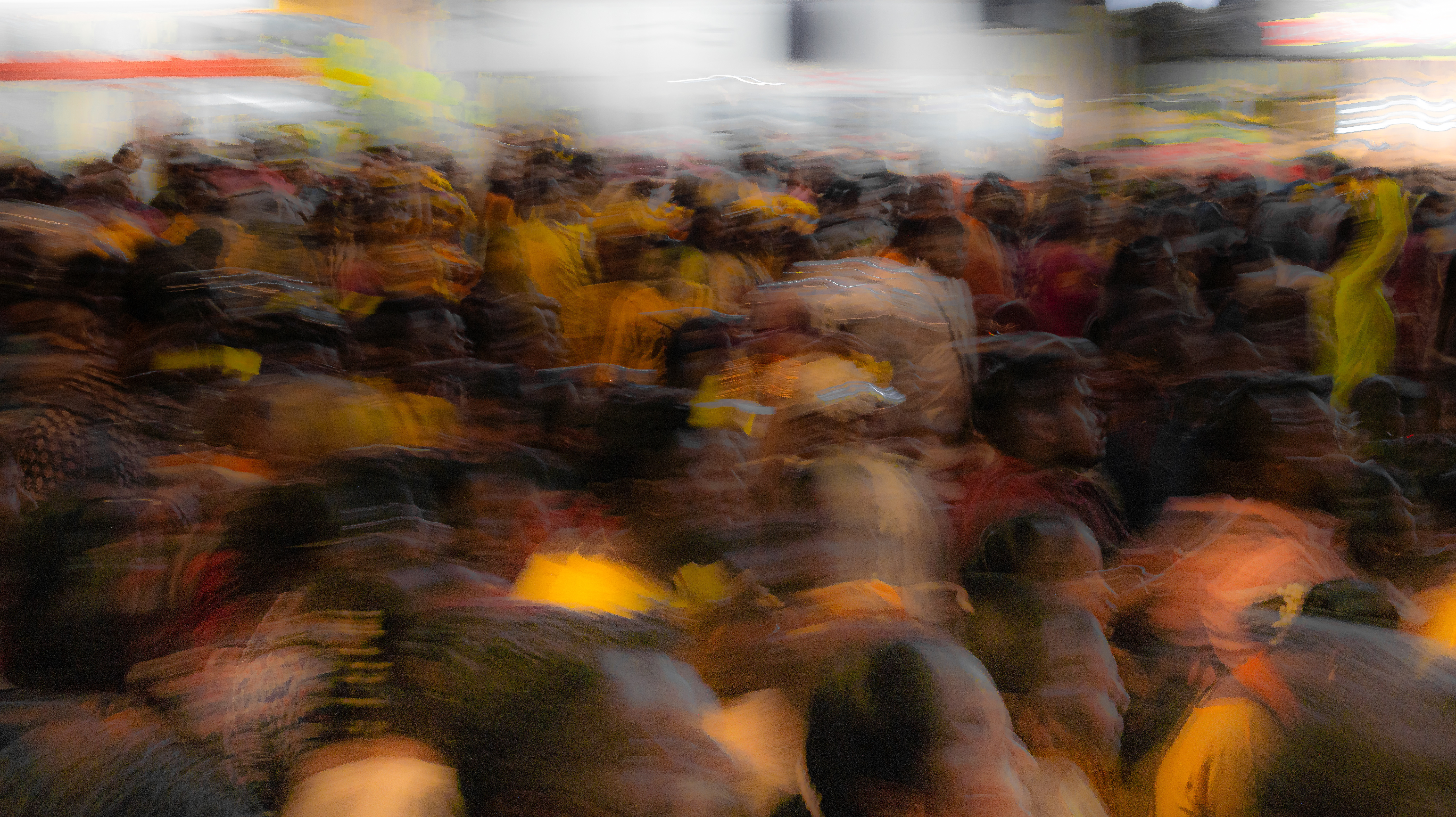
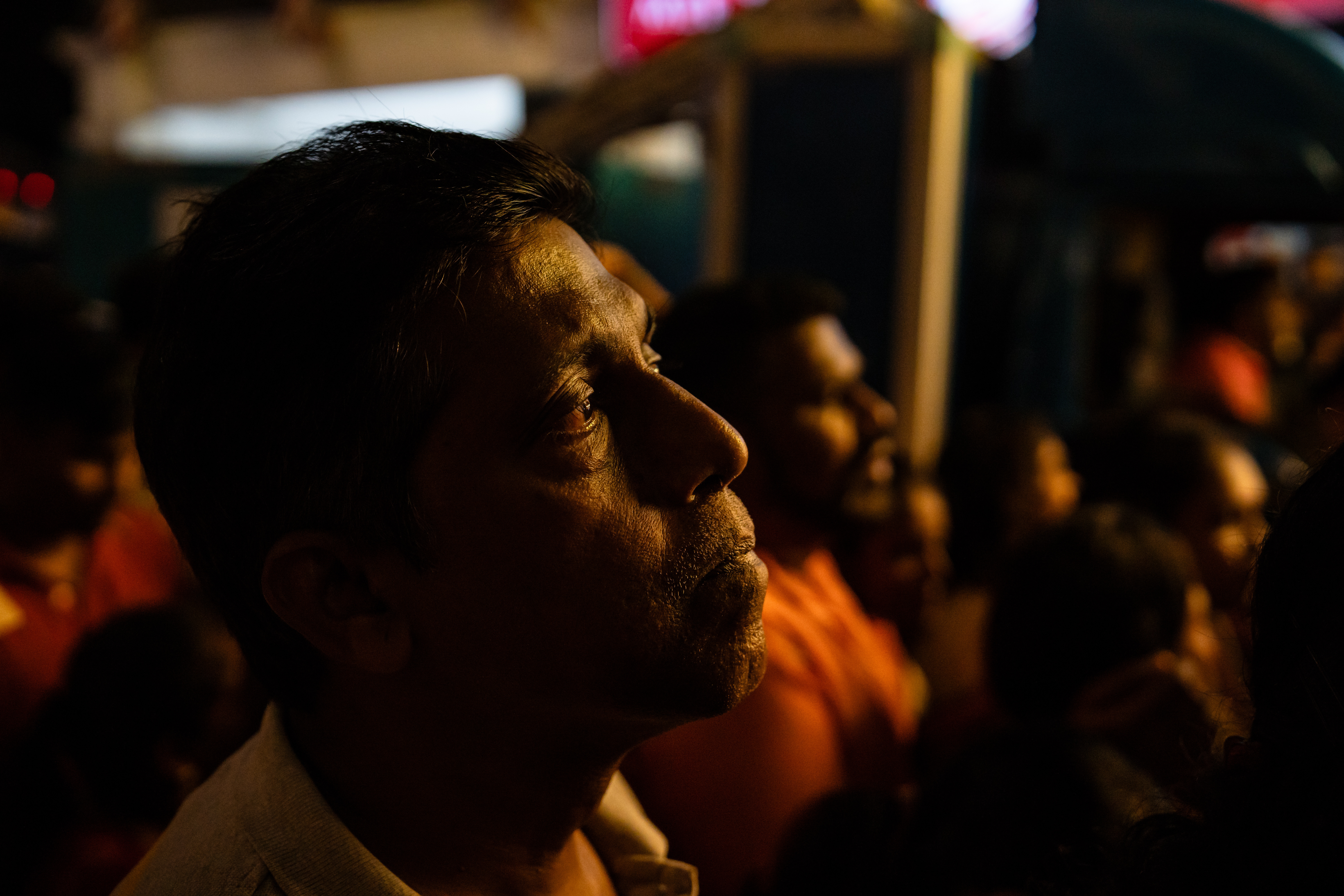
Before I picked up a camera, I visited places as a spectator—seeing what I was “supposed” to and moving on. Photography forced me to slow down. Instead of being frustrated by crowds, I began to study them. I noticed the way light hits a persons face, I watched monks praying at shrines, and captured a monkey weaving through a crowd, hoping to steal a snack. It is easy to tick off a landmark, but if you find a moment that is uniquely yours, suddenly the place holds a different meaning. There is a Japanese proverb that perfectly captures this sentiment - ‘Ichigo Ichie’. This roughly translates to ‘one lifetime, one encounter’. The concept here is that each moment is unique. You may meet the same people again, or revisit a location, but it will never be as it was in that exact moment. From this perspective, every moment is once in a lifetime.
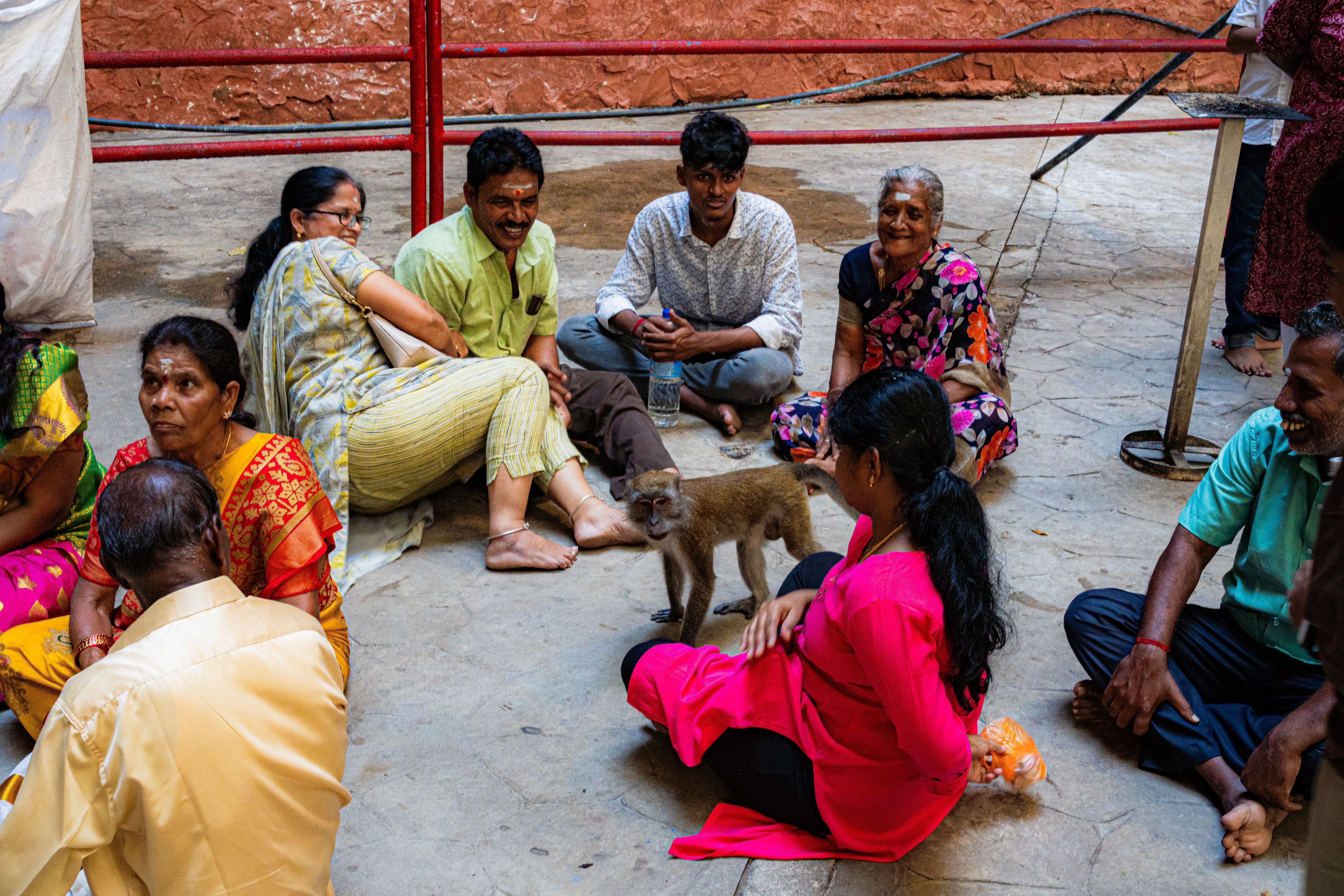
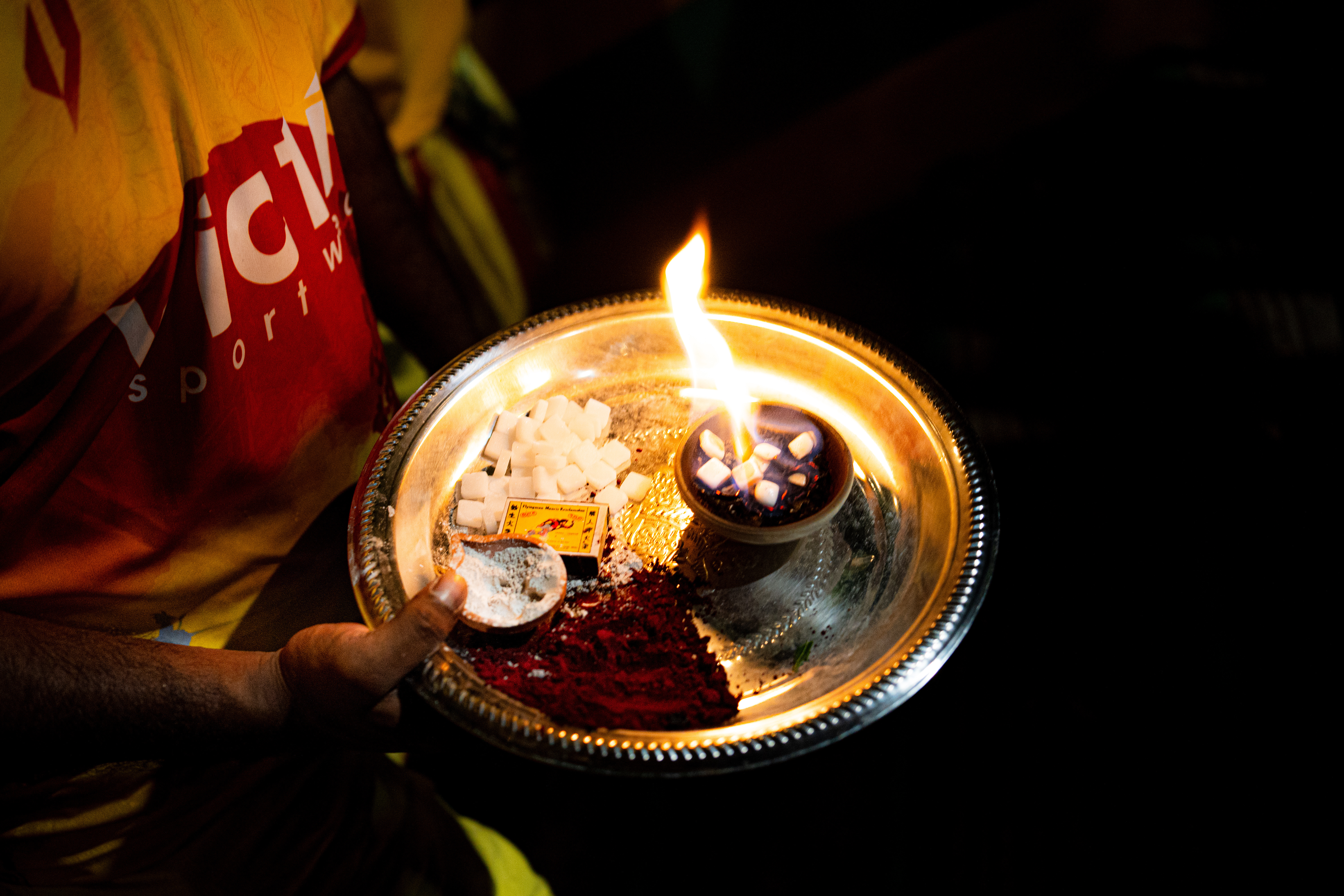
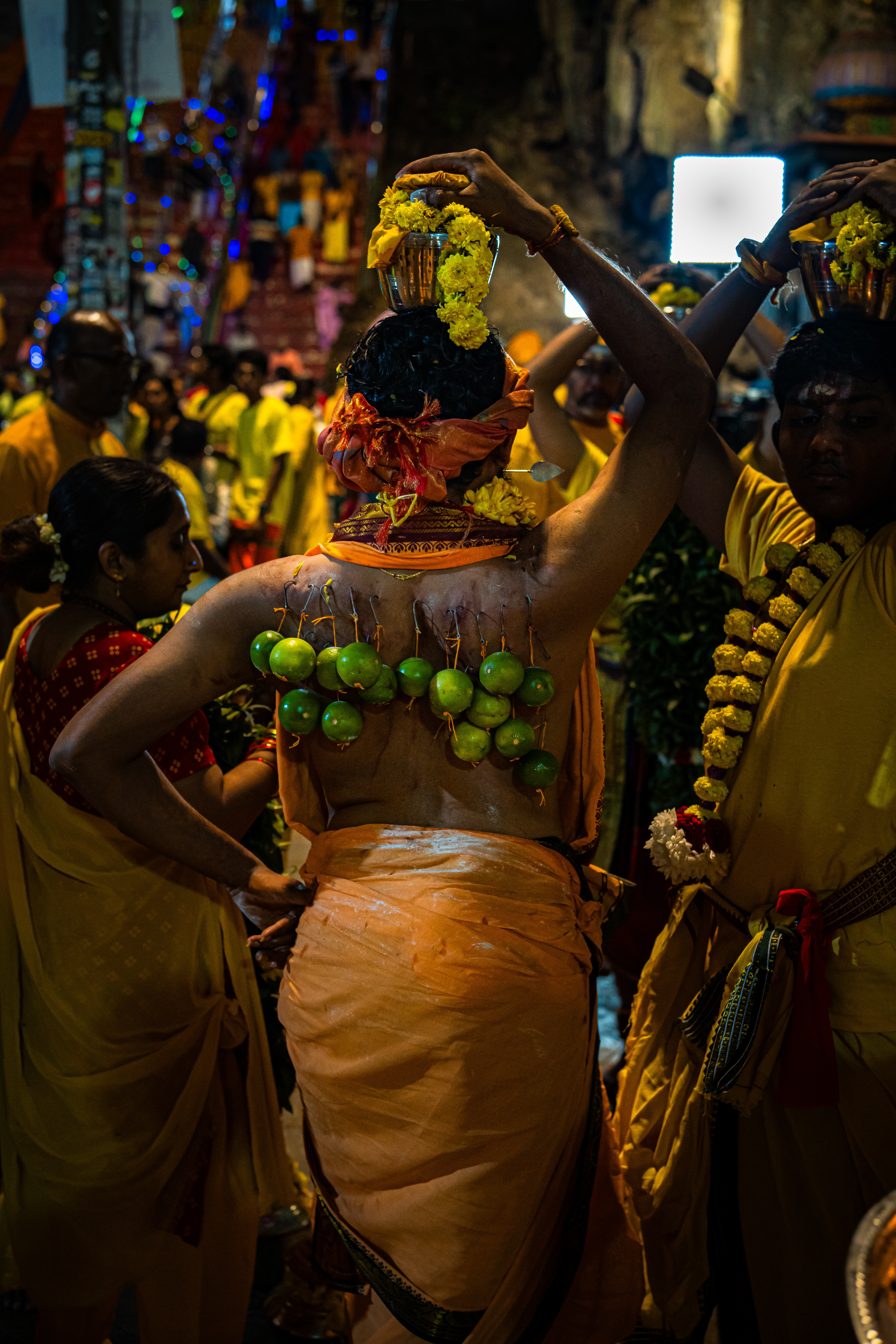
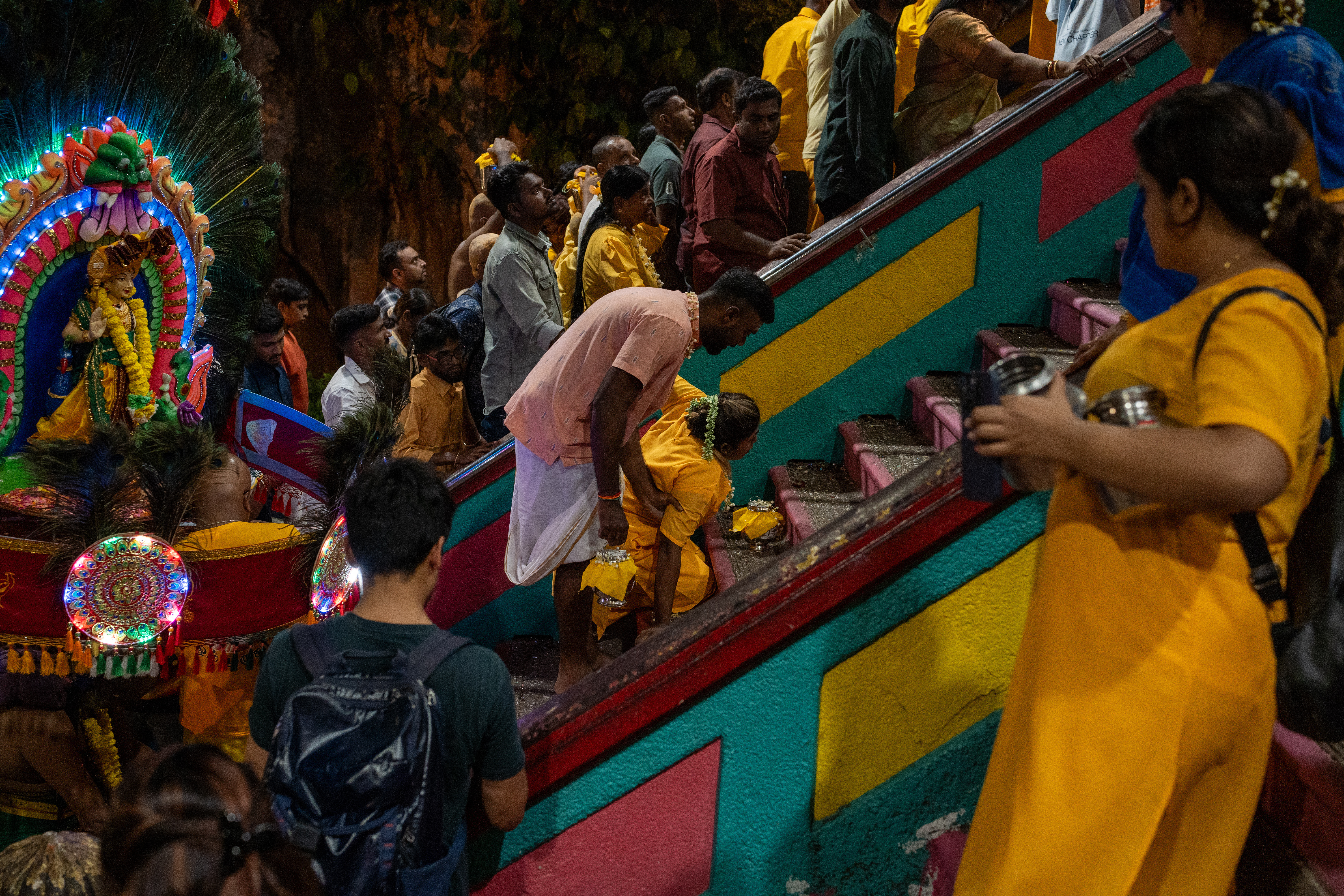
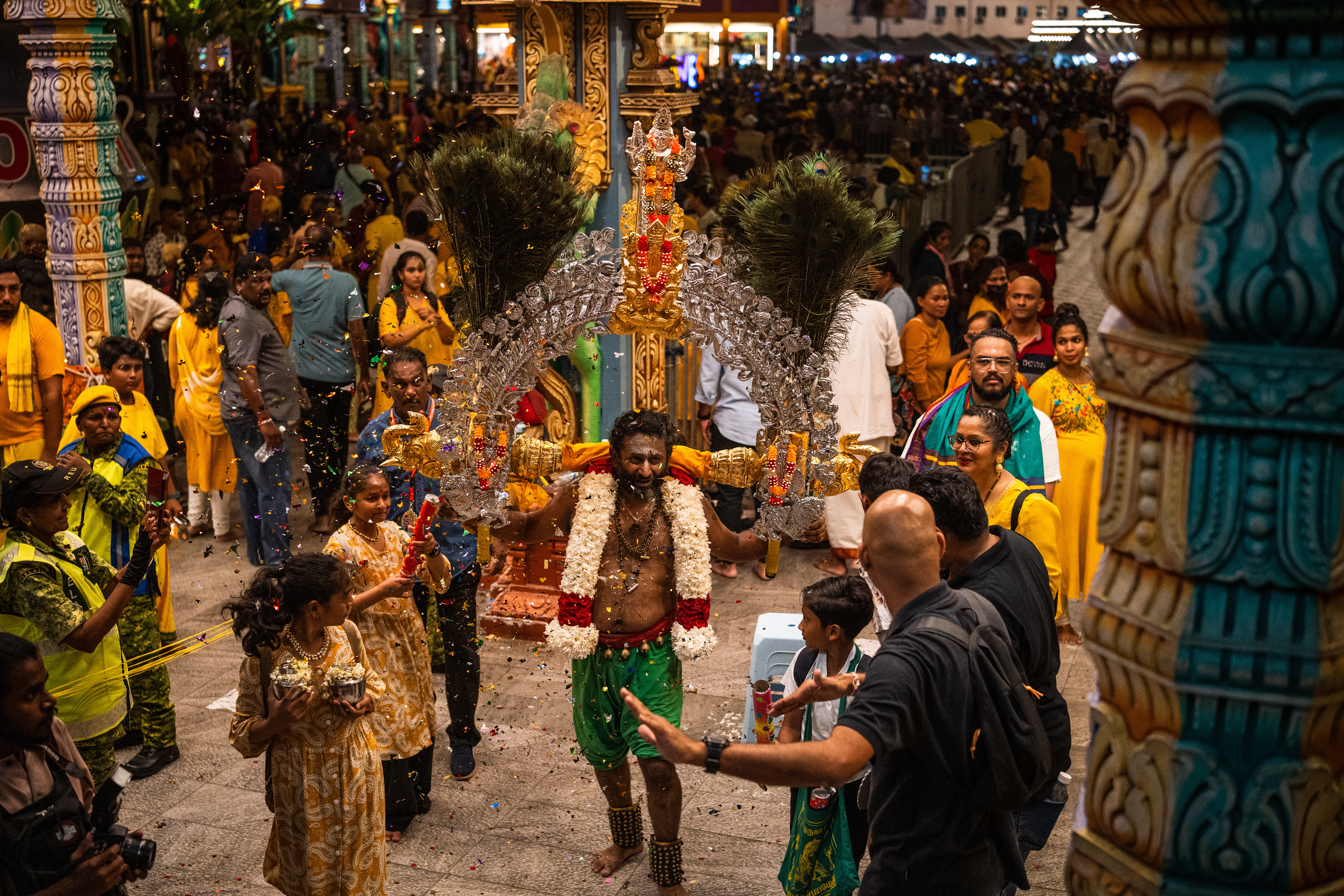
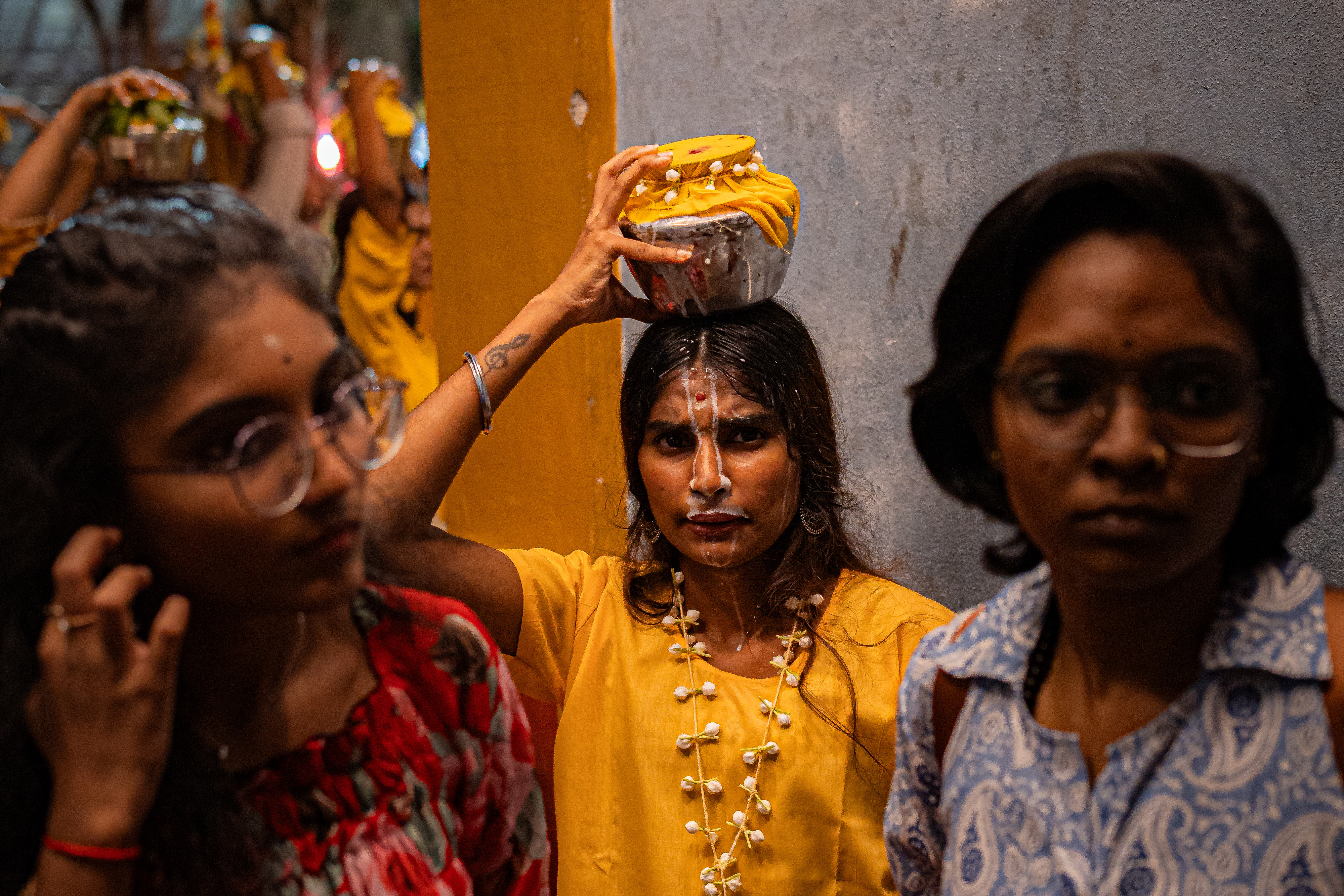
At Thaipusam, a spectacular Hindu festival in Kuala Lumpur, I was surrounded by thousands of people at Batu Caves—devotees carrying kavadi, drummers keeping the rhythm, and tourists (including me) finding themselves in the way. It was overwhelming. A few people on our tour even left early, and this isn’t a dig, I got it—the noise, the heat, the sheer number of bodies moving together could feel like too much. But instead of pulling back, I focused in. The intensity in a devotee’s eyes. The intricate details of an offering. A quiet prayer whispered amongst the chaos.
That’s when I realized—if you slow down, even the busiest places have moments of calm.
You Don’t Need a Camera to See Differently
This isn’t just about photography. You don’t need a camera to notice the details that make a place special. If you’re in a busy tourist spot, instead of rushing through, take a moment to really see it. Watch how locals interact with the space. Look beyond the crowds. Ask yourself why so many people are drawn here in the first place.
Yes, some tourist spots are overly commercialized. But many are also full of history, culture, and deeply personal experiences. Maybe the real “hidden gem” isn’t a place—it’s a way of seeing.
Bracing for the Crowds? Here’s How to Survive and Actually Enjoy It
So next time you find yourself in a crowded square, at a world-famous monument, or in the middle of what feels like chaos. Resist the urge to sigh, roll your eyes, and power-walk your way out. Instead, take a breath. Look beyond the sea of selfie sticks and souvenir vendors. Notice the little moments—an excited retired couple marvelling at a place they’ve waited their whole lives to see (they’re usually Aussie!), a street performer pouring their heart into their craft, a child staring up in wide-eyed wonder.
Everywhere, even in the busiest places, there are human stories unfolding. The challenge isn’t avoiding the crowds—it’s learning to see through them. If you shift your perspective, that noisy, overcrowded landmark might just turn into something unexpectedly meaningful.
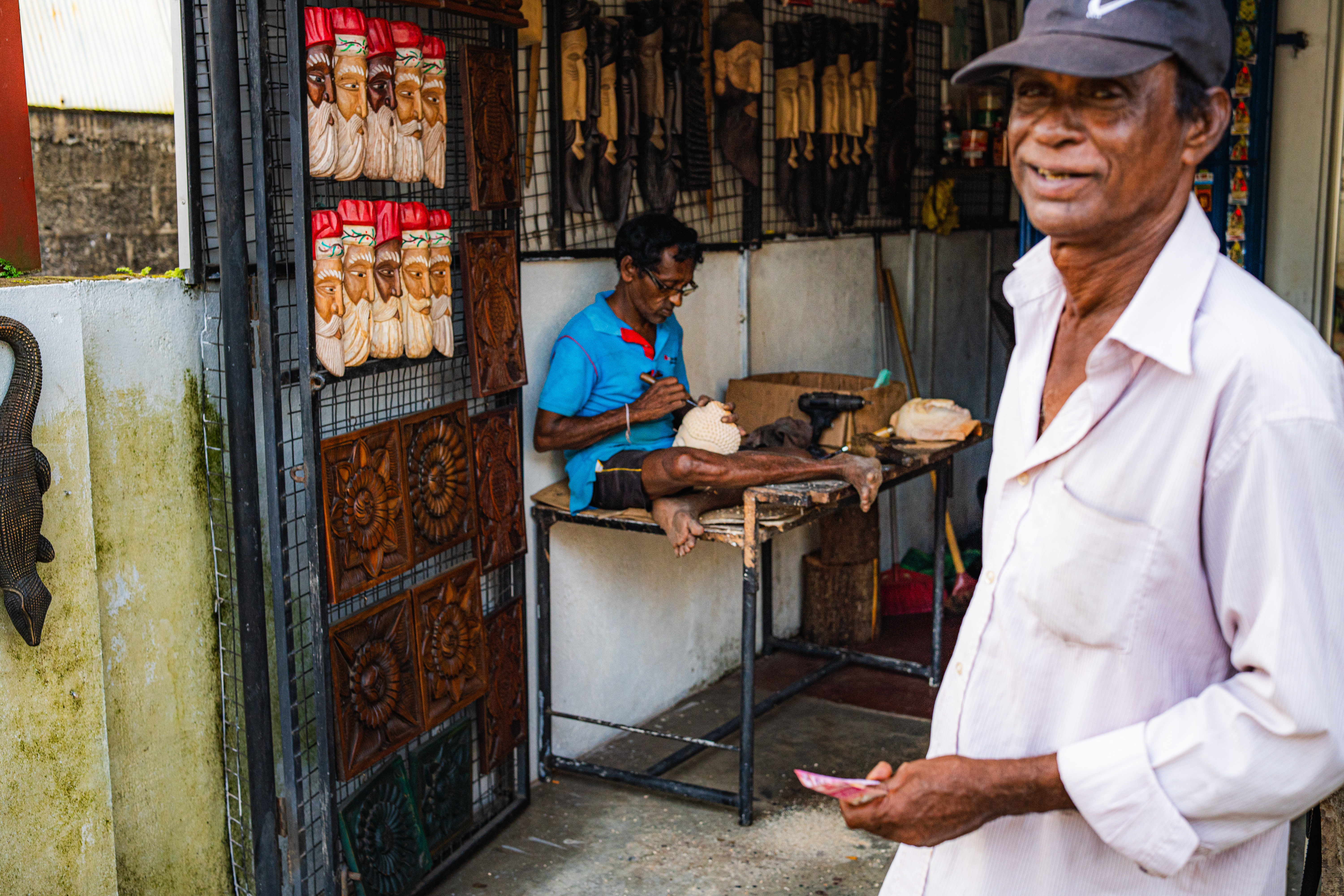
Where to start? Finding Meaning in Tourist Spots
Religious festivals and sacred sites are some of the best places to practice this shift in perspective. Watching devotees—the way they pray, the rituals they follow—highlights that these places aren’t tourist attractions. They’re sacred. And once you start seeing that, it becomes easier to find significance in other landmarks too.
Before traveling, I didn’t think much about religious sites. I wasn’t religious, and most of what I heard about religion came from the news—which, let’s be honest, is rarely good. But seeing it firsthand changed my view. Though I’m not dedicated to any particular faith, I’ve learned that visiting religious sites is an enriching experience, and that people can teach you something about life you might not expect.
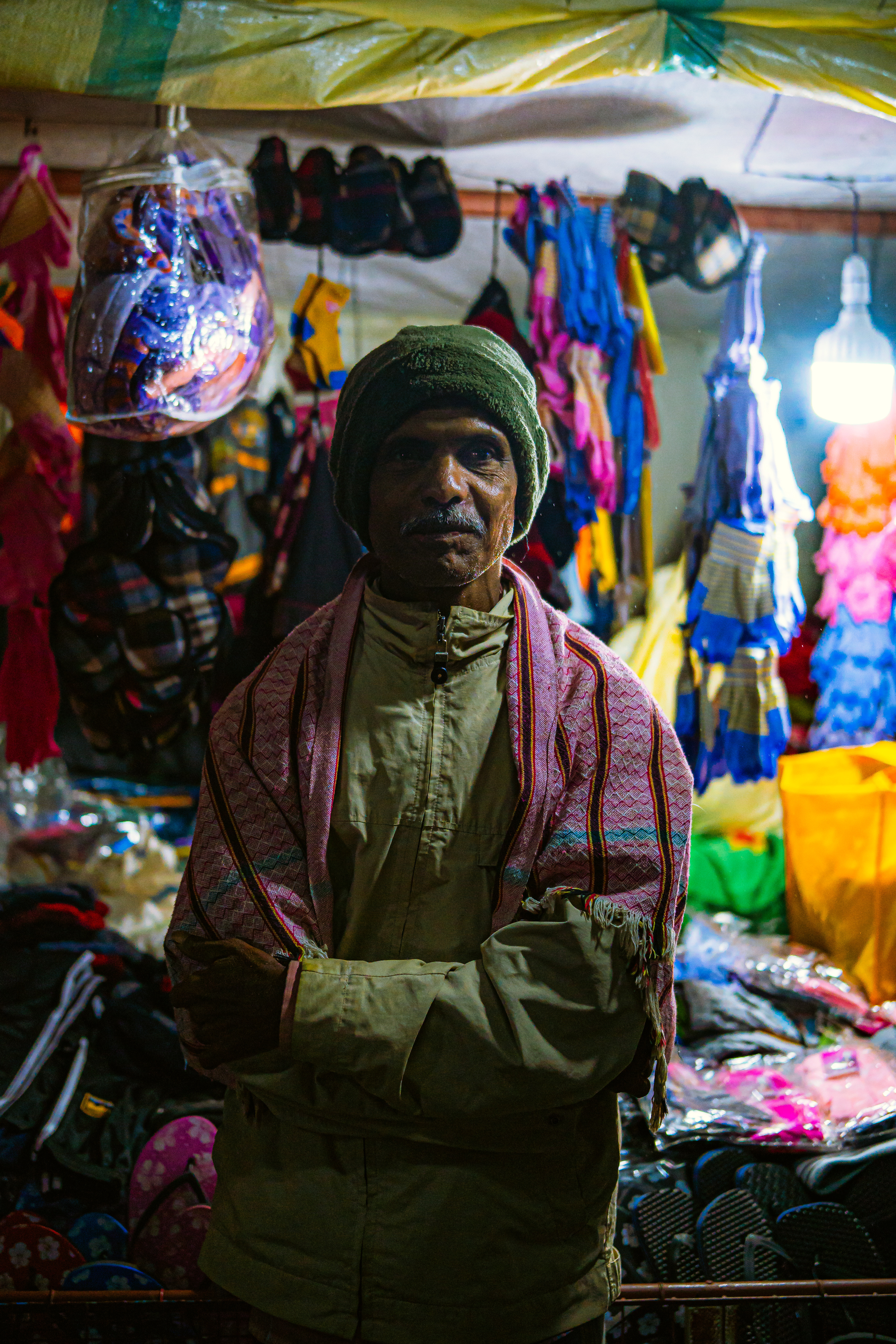
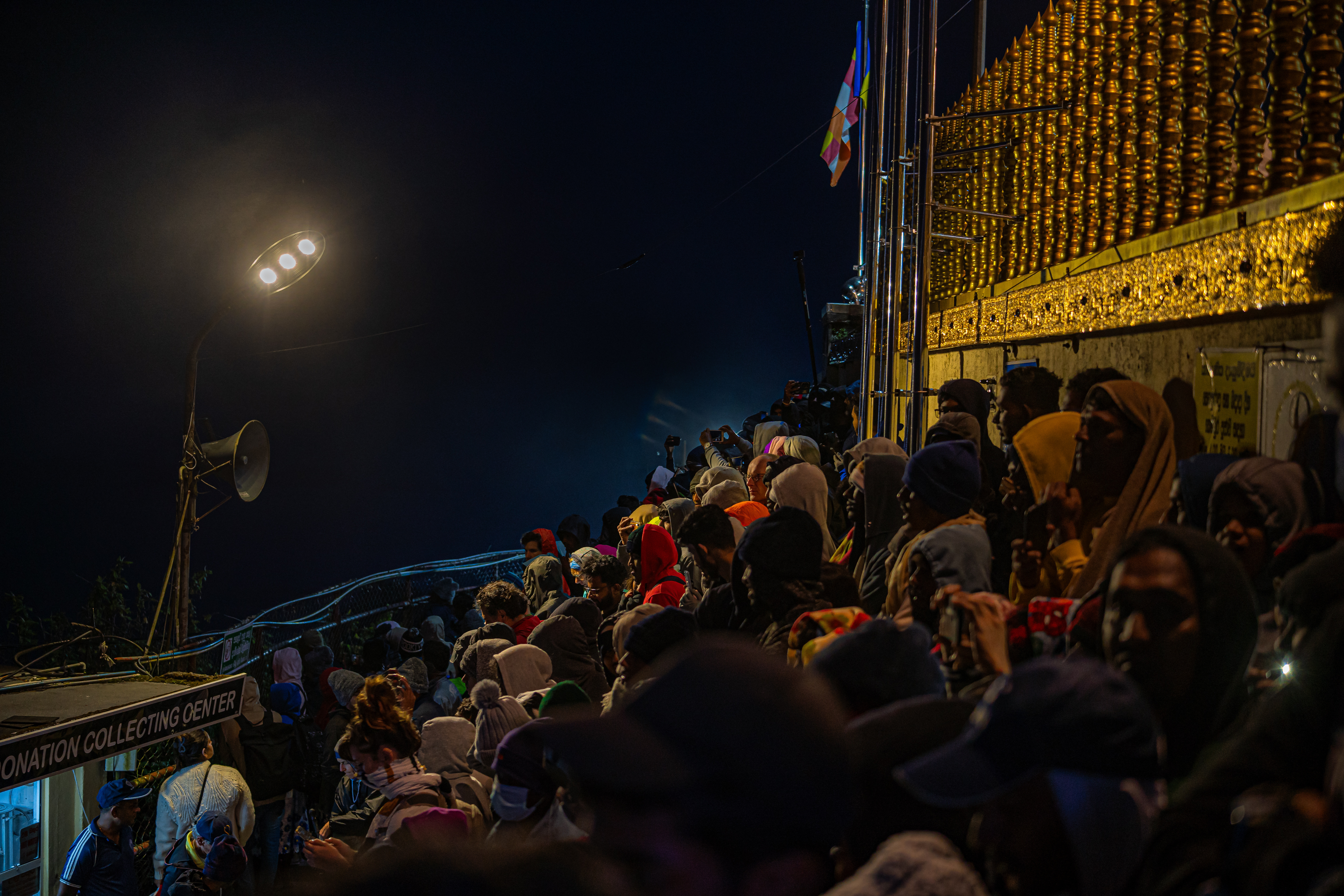
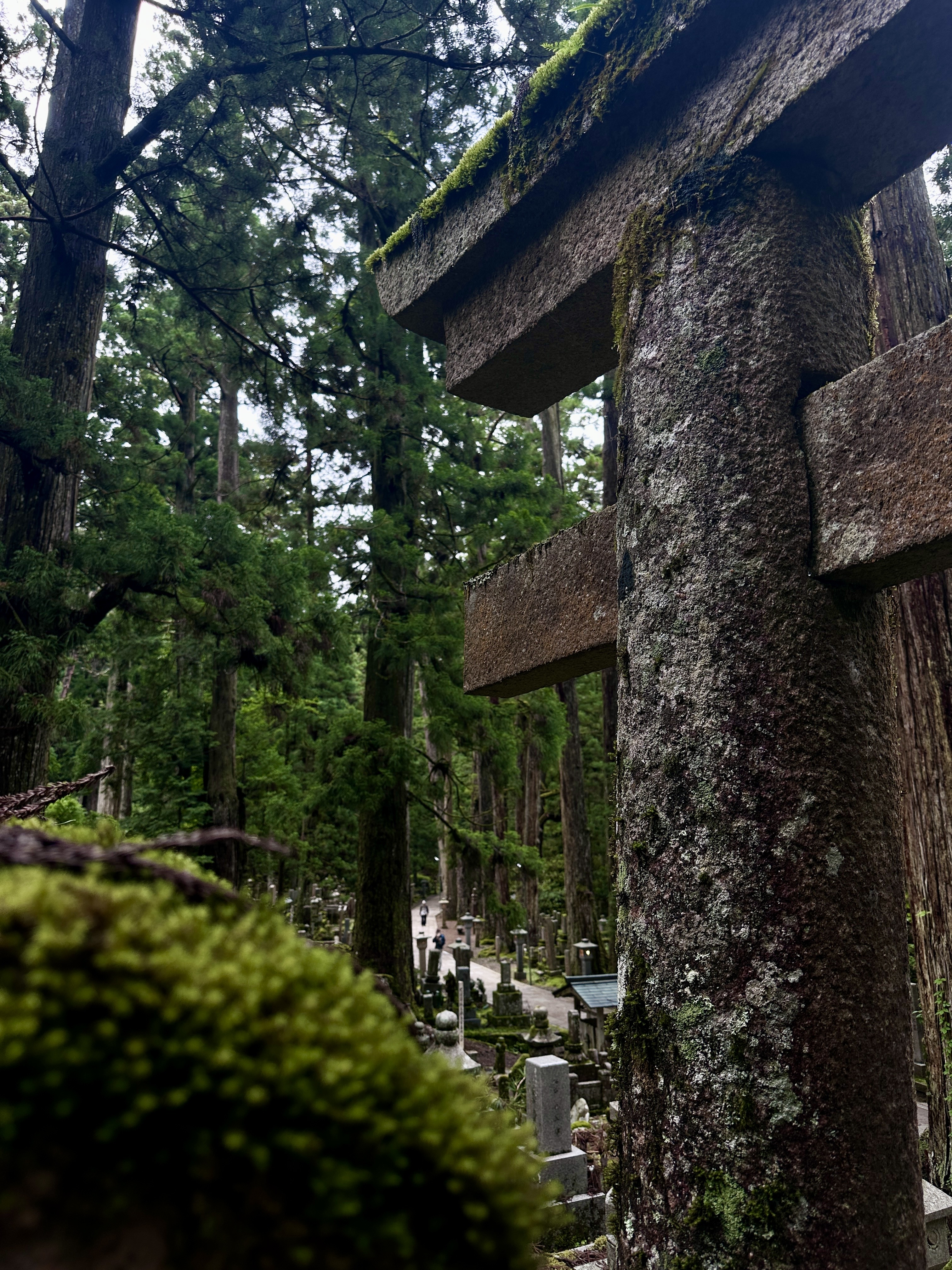
If you find yourself in these countries, these places are a fantastic experience:
• Koyasan, Japan – A sacred Buddhist town with misty cemeteries, lantern-lit temples, and monks practicing centuries-old tradition (this actually is a “hidden gem”).
• Adam’s Peak, Sri Lanka – A pilgrimage site believed to be home to the Buddha’s footprint, where thousands of pilgrims climb 5,200 steps to reach the peak for sunrise.
• Batu Caves, Kuala Lumpur – A Hindu temple built into towering limestone caves, especially vibrant during the Thaipusam festival.
• Fushimi Inari Shrine, Kyoto – The famous red torii gates, but beyond the crowds at the entrance, a long, peaceful trail winds through the forest.
Again thanks Sammy for helping me with the writing side. I think we have a good system. I write my message, show it Sammy, she cries in horror then starts telling me something about how my tenses are wrong and to stop using ‘was’ instead of ‘were’, I roll my eyes and ask why it matters. It’s a good process.
I’ll be sharing more of my photography and travel experiences in the coming weeks, including the unexpected places where I’ve found the most meaning. If you enjoyed this, check out my Instagram @sams_gone_wilddd for more street photography, or subscribe to my Substack to follow my journey.
MASSIVELY IMPORTANT PUBLIC SERVICE ANNOUNCEMENT!📣
For anyone who paid attention to my last blog, I said this one would be about my Sri Lankan experiences. The message of this blog is the same, but I was going to use my Adam’s peak adventure to convey it. However, in the meantime I went to the Thaipusam festival, which was fresher in my memory. I had more to draw from so I used this instead, however the message is the same (I don’t think anyone actually cares).
Some more pictures from Thaipusam: