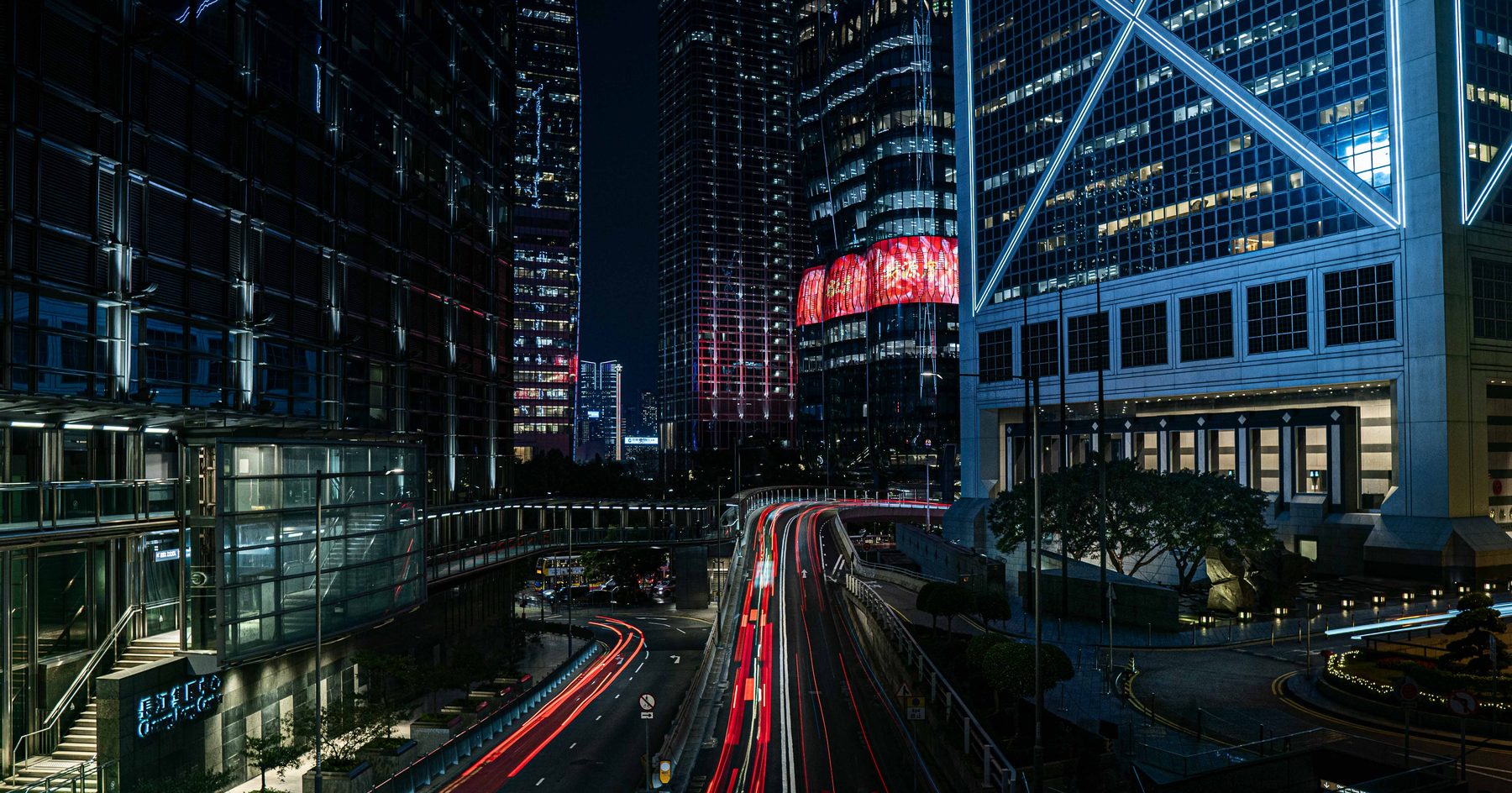
I’ve not written in a long time. Mostly because I was forcing it — the blogging and the photography both — instead of waiting to actually feel inspired. Then I took a trip to Hong Kong, and I’m ready to go again. I came back with some of my favourite shots in a long time, and I genuinely loved the city. Which is saying something, because I don’t like big cities.
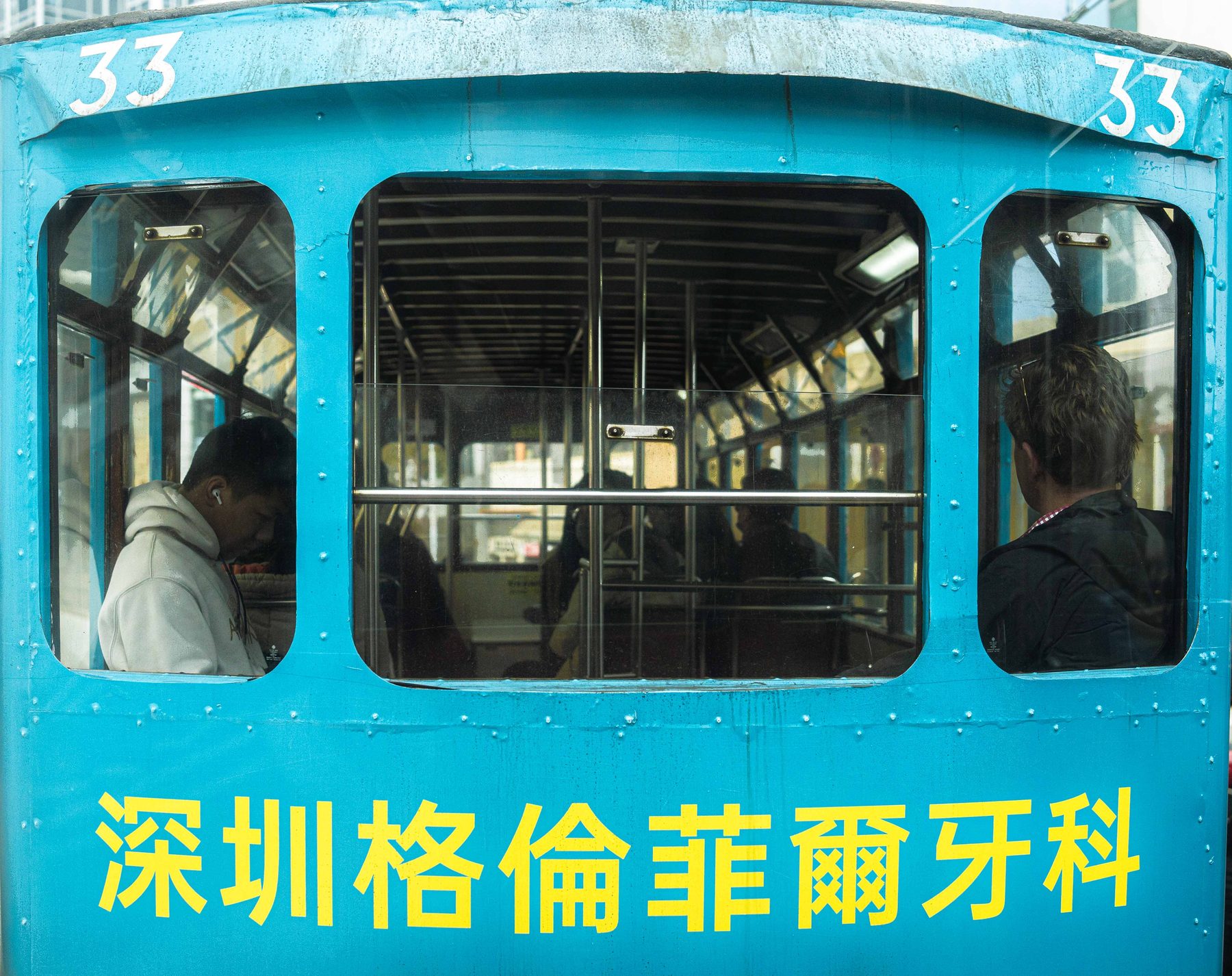
While I was planning the trip, I looked for things to do the modern way — Instagram. And it annoyed me. Every video spouted the same five things. Surely there was more to Hong Kong than the first page of the government’s travel guide? So I want to break this one down into a few parts: me moaning about typical travel and being a bit of a travel snob, a few things actually worth doing in Hong Kong, and a mindset for travelling that you can take to any city.
First, a word on being a travel snob
What do I mean by a learning curve to travelling? I mean that when you go away you’ll usually research what there is to do, and while the places are often nice, I find them overcrowded and unauthentic. I know this sounds a bit snobby — like the tourist spots are beneath me — but I just don’t really get them. Every travel guide for Hong Kong said the same: walk Victoria Harbour, ride the Star Ferry, see the Bruce Lee statue, go up the Sky Tram. The harbour was lovely, and the Star Ferry is genuinely historic — it was the original ferry the British used. But I don’t get city viewpoints. They’re always heaving, like a little town stacked on a hill, no nature, and I can’t work out why everyone herds to them. (We still went, mind. My mum won’t miss a single thing when we go somewhere.) I just kept thinking: I haven’t come all this way to look at a harbour, a statue and a ferry. I want more from it.
So what would I — a self-confessed travel snob — actually recommend in Hong Kong? And could you use it as a blueprint wherever you are? Feng Shui hunting. The Dark Side of Hong Kong tour. Tourist-hotspot spotting. And a proper food tour. First rule, though: bring a camera. Wherever you end up, you can make it interesting if you just look.
Feng Shui hunting
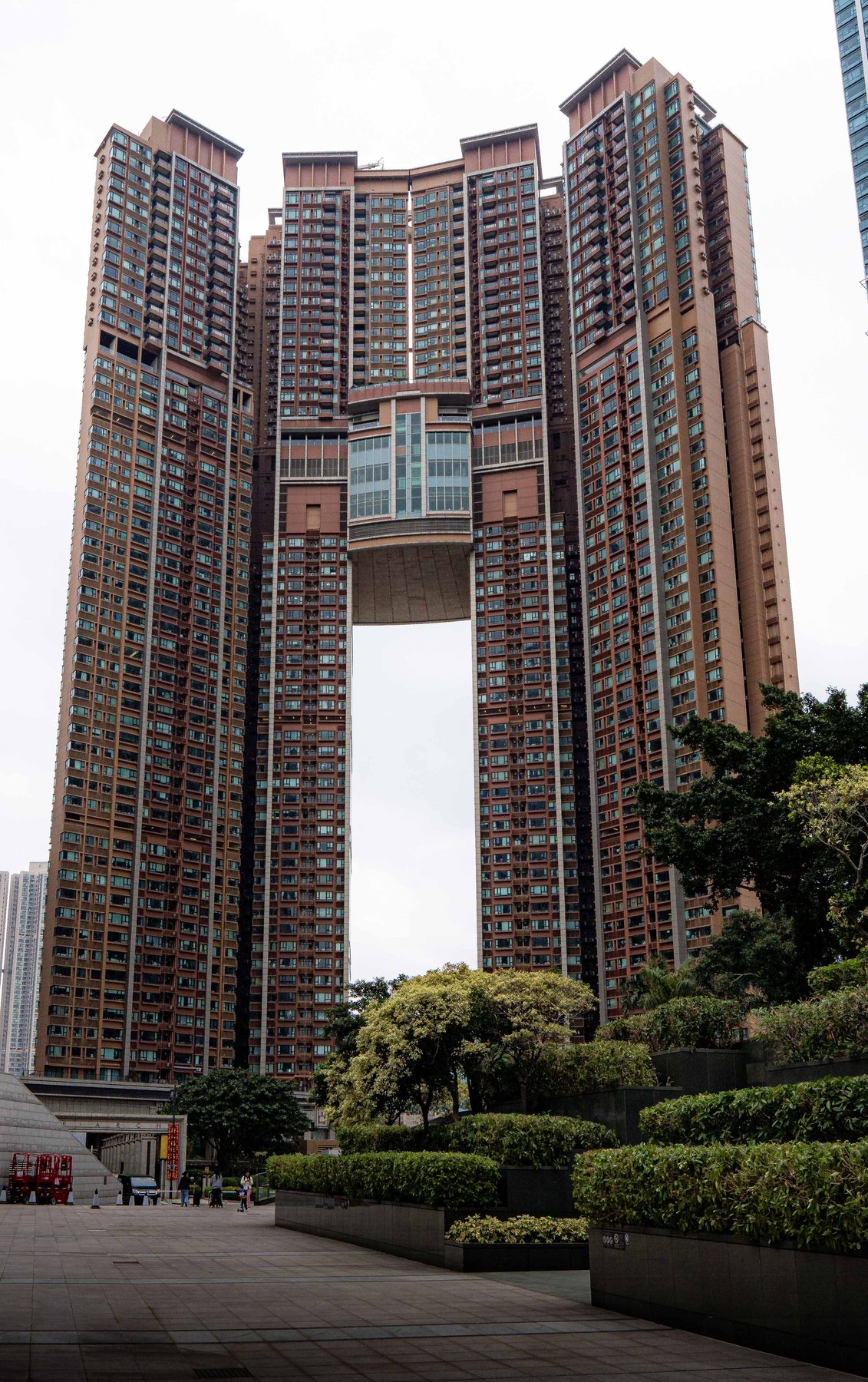
I was hunting for things to do when I stumbled on something I hadn’t thought about in years: Feng Shui. It triggered a memory of a video about Dragon Gates — big, deliberate holes left in buildings so dragons can pass from the mountains down to the harbour. Block the path and you block the flow of good energy and invite bad luck. I was amazed they’d go to those lengths, and it sent me down a rabbit hole I started calling “Feng Shui hunting” — wandering the city looking for the signs of it everywhere. Dragon Gates punched through tower blocks. Open ground floors so bad energy isn’t trapped. Building entrances deliberately set so they don’t face each other. Even cannons on rooftops, aimed at buildings with bad Feng Shui to defend against the bad energy. It’s everywhere once you start looking, and I loved seeing how quietly it has shaped the whole city.
The Dark Side of Hong Kong tour
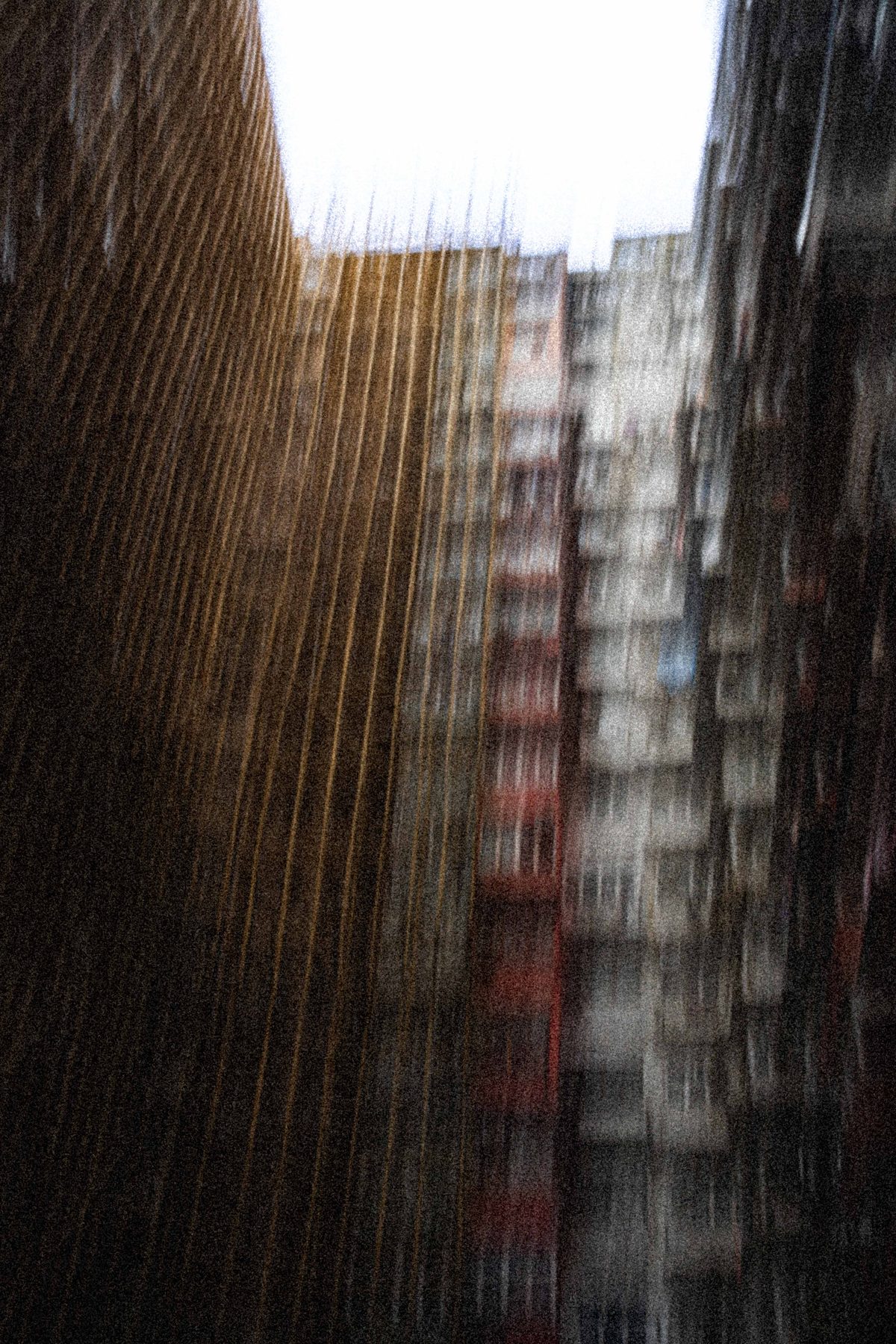
This one was fascinating — full of history and genuinely eye-opening. The tour digs into Hong Kong’s housing crisis and the lives of modern Hong Kongers, shaped by how the city was built, its policies and its colonial past. One spot stood out: Boundary Street, one of the many invisible borders that once divided the British colonists from the Chinese settlers. You can still read it in the buildings — the contrast in wealth and design from one side of the road to the other is stark.
Tourist-hotspot spotting
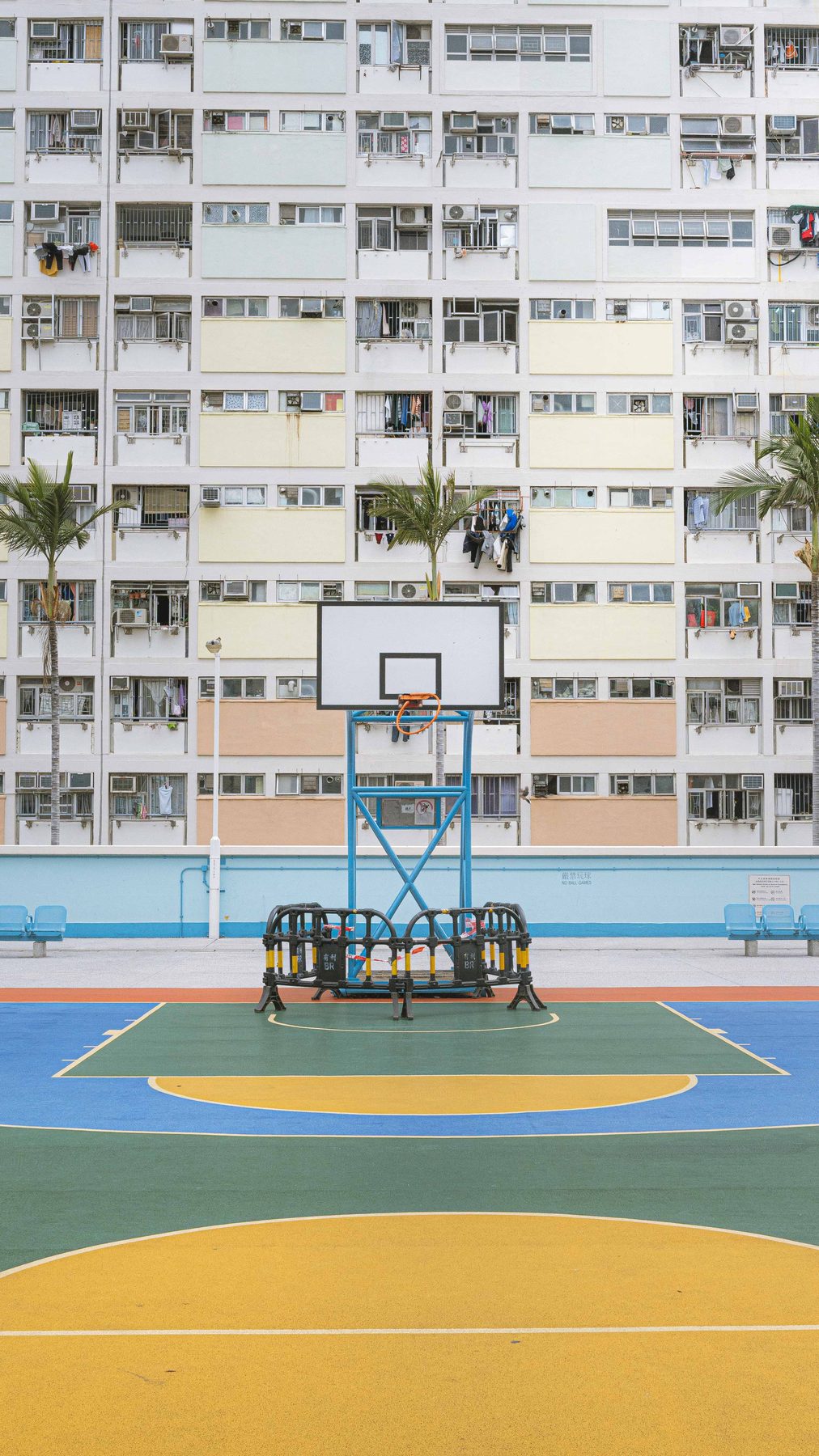
I’ve touched on this before, but it matters: find the little pockets of authenticity. I’m a photographer, so I want the photo spots — and those spots are usually packed, which is fair enough and unavoidable. The problem is everyone there is taking the exact same shot. So I try to find the thing that isn’t normally there. Take this picture of Choi Hung Estate — about as classic a Hong Kong photo spot as it gets, and you can see why.
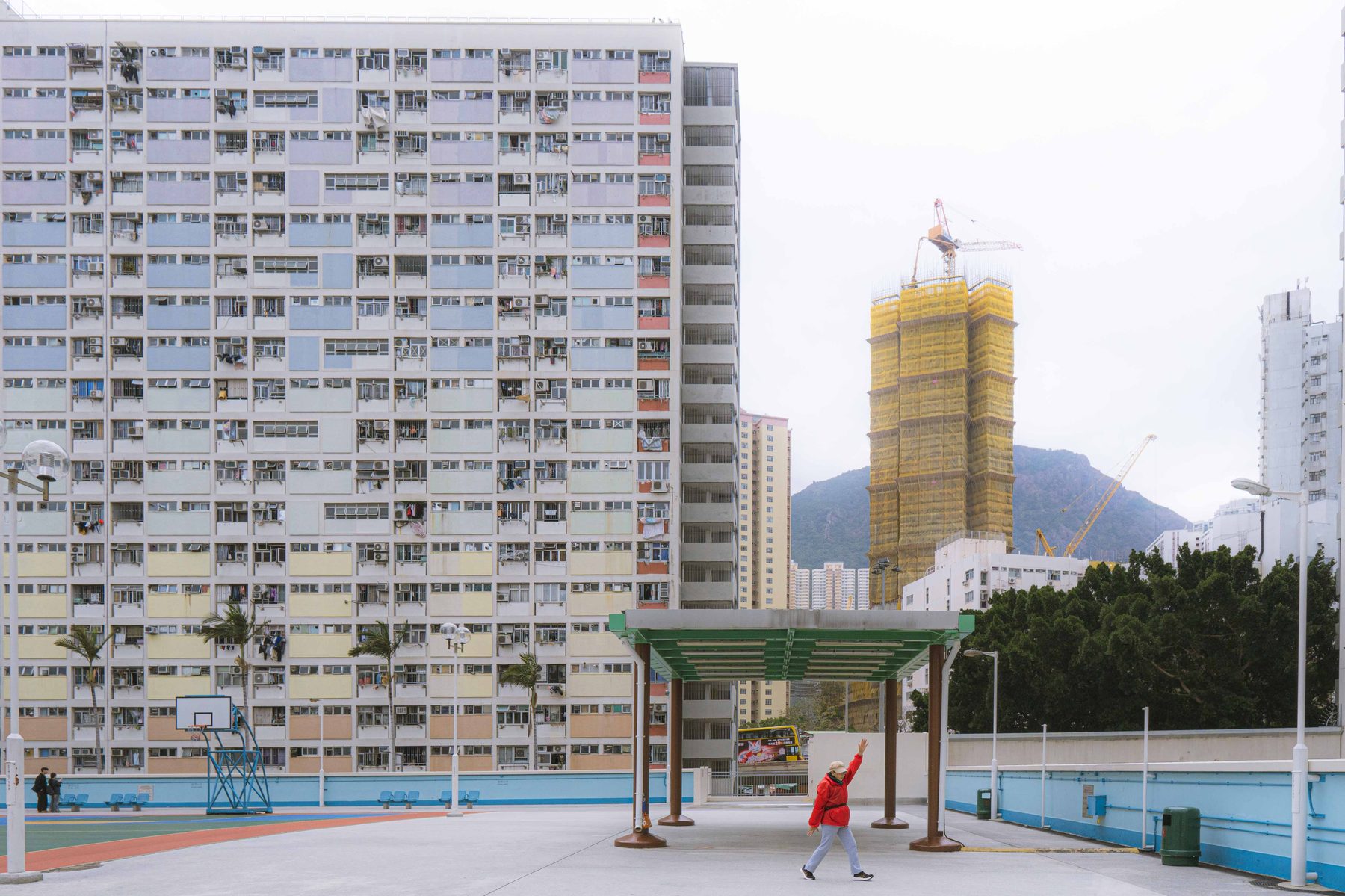
But while I was there I noticed a woman practising what I think was a form of Kung Fu on the edge of the court. She might come often; she might rarely come at all — but in that moment she was the shot nobody else was getting. That’s the whole game.
And eat — properly
Last one: do a food tour, ideally near the start of the trip. Firstly, it’s the quickest way to get your bearings and find your way around a new city. But it also teaches you what you like and what you don’t — so for the rest of the trip you know what to look for, and you can go and try more of the stuff you actually enjoy.
The mindset — a blueprint for any city
Here’s the thing I keep coming back to: none of this is really about Hong Kong. The actual blueprint is to find a theme in a place — it might be its history, some characteristic that runs all the way through it, or its people. Mine in Hong Kong was Feng Shui, hidden in every building. Once you’ve found your theme, you’ll turn up endless ways to keep yourself interested, and you’ll get so much more out of travelling than the guidebook five ever give you. Feng Shui hunting, the Dark Side tour, chasing the shot nobody else is getting — underneath they’re all the same move: slow down, get curious, find your thread, and look past the first page of the algorithm.
Because I’ve not come all this way to walk down a harbour, ride a boat and look at a statue of Bruce Lee, have I?