When Plans Fall Apart, The Real Journey Begins
Our plan was simple - jump on the night train to Bangkok, fly up the coast while we slept, and arrive into the city the following morning. However, the Thai railway system had other plans, and our reservation was cancelled. We had two options, pay for a flight, or embark on a 5 day adventure, travelling slowly via local trains to unheard of destinations. And somewhere along the way, I realized that this slower journey was exactly what we needed. This isn’t the story of what happened, that’s well covered on my Instagram and quite frankly still not finished. This is about what it taught me.
What Slow Travel Taught Me
I quickly learnt that moving slowly through a country gives you time to notice the smaller details—the rhythm of local life, the conversations that only happen when you’re not in a hurry, the places that don’t make the guidebooks but still have stories to tell. It taught me that travel isn’t just about seeing things; it’s about experiencing them. This means letting go of an itinerary and embracing the in-between moments. Something that's hard to do when time is limited.
The Difference Between Backpackers and Tourists
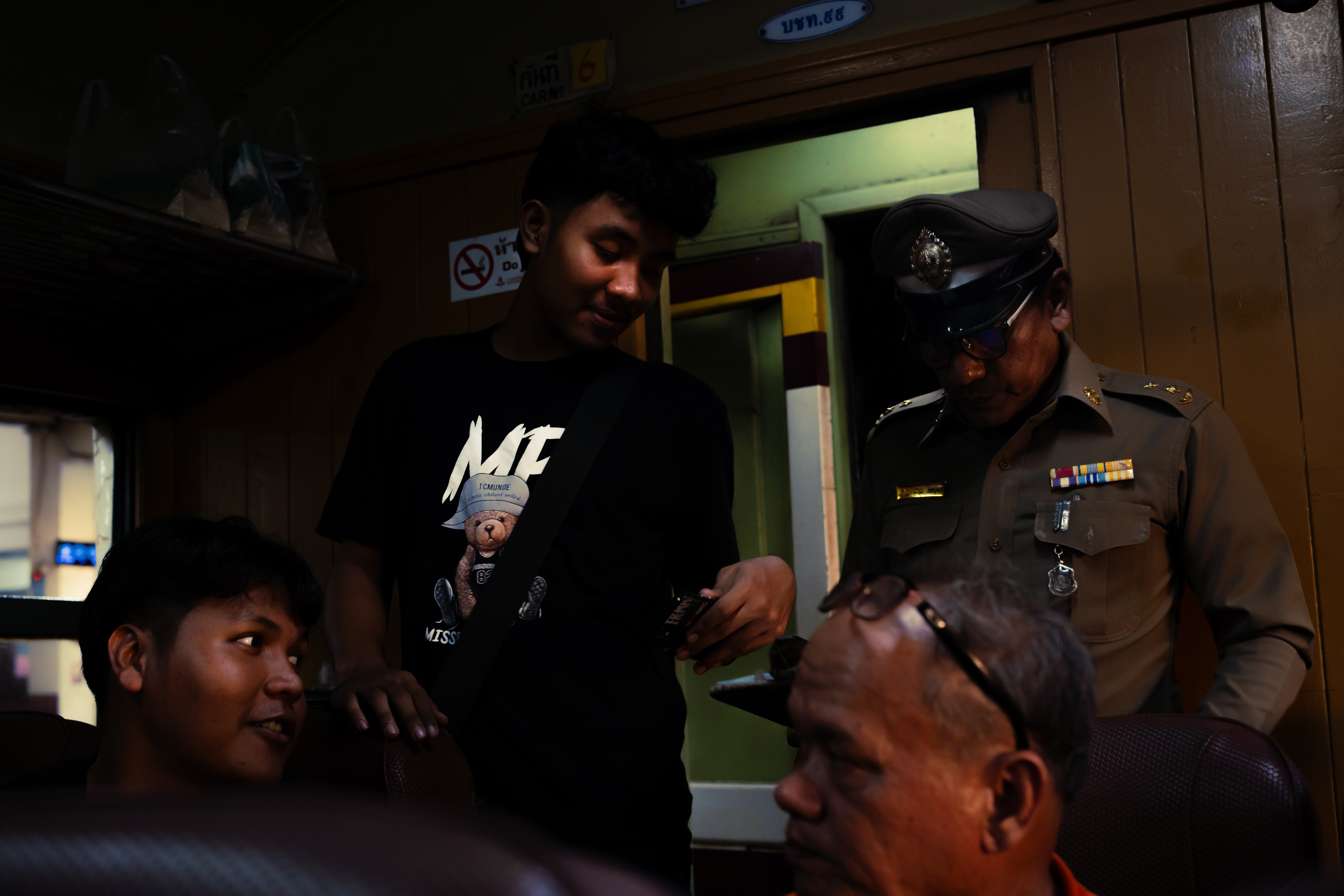
Backpacking is often viewed as cheap travel, sticking to a budget to allow for a longer adventure. However it is much more than this, travelling fosters a different mindset. Being forced to choose the cheapest transport, accommodation and food option opens the door to a multitude of different experiences. Tourists tend to move with a purpose: they have a set plan, a list of must-see spots, and a pre-booked transfer in between. The focus is the destination, rather than the journey. Backpackers, on the other hand, travel with flexibility, taking local trains, slow boats and 12 hour buses, inserting themselves into daily life and travelling alongside locals. The number of times I’ve sat next to someone on a bus and spoken for hours, or asked somebody about the train platform number, only to sit with them for the whole trip, is endless. These encounters often extend into days of traveling together.
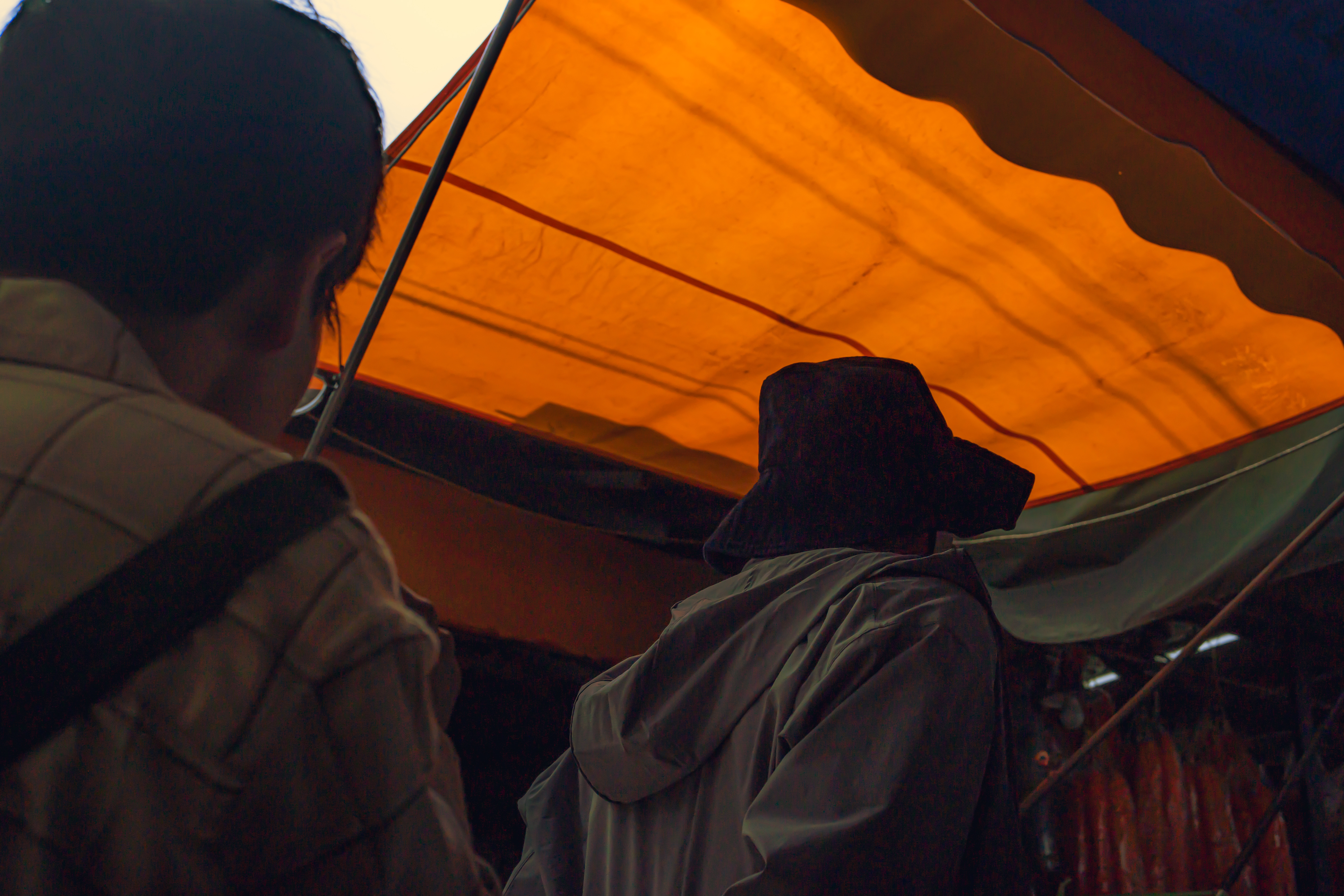
Why the Journey Matters More Than the Destination - Sometimes.
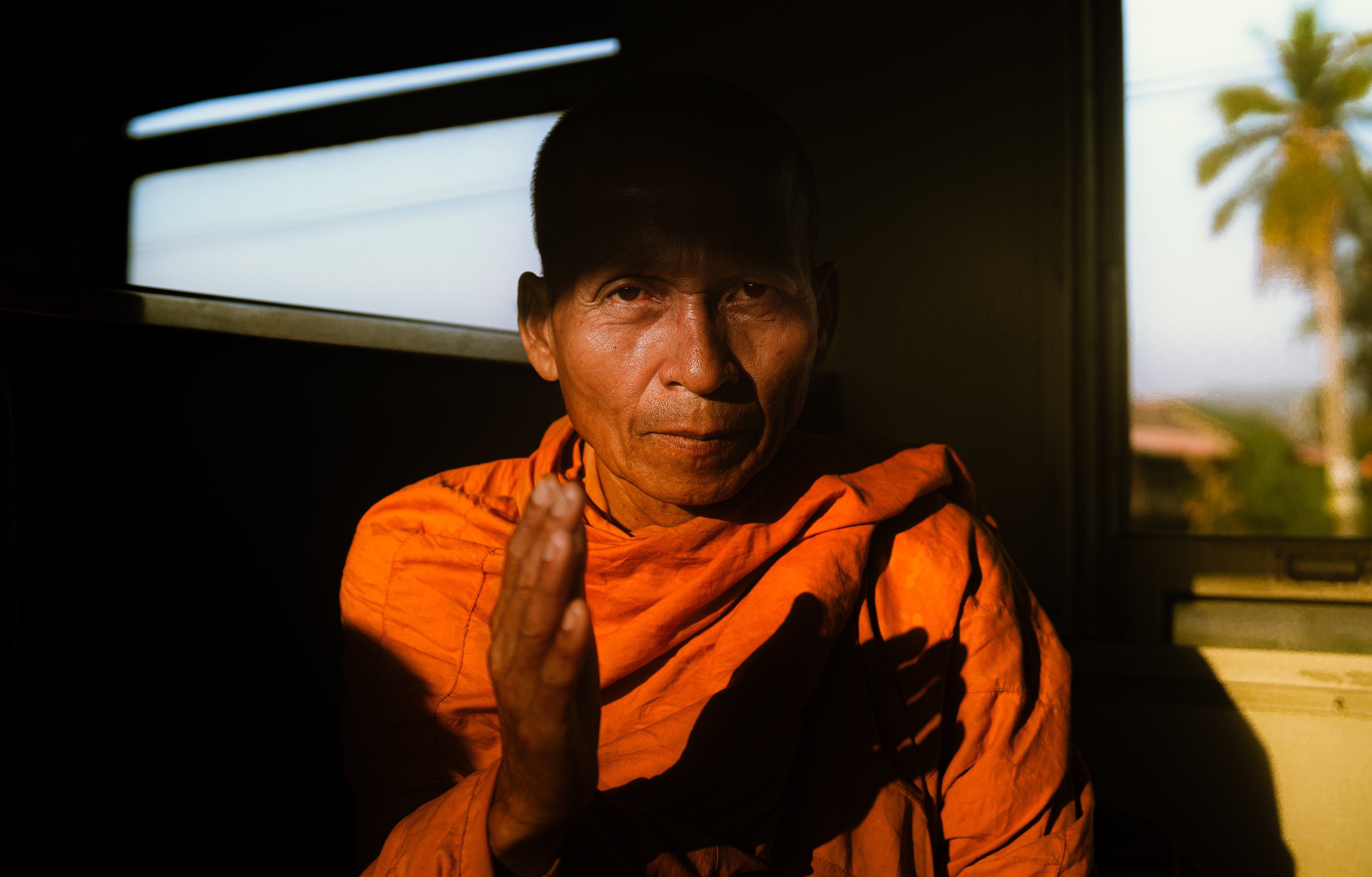
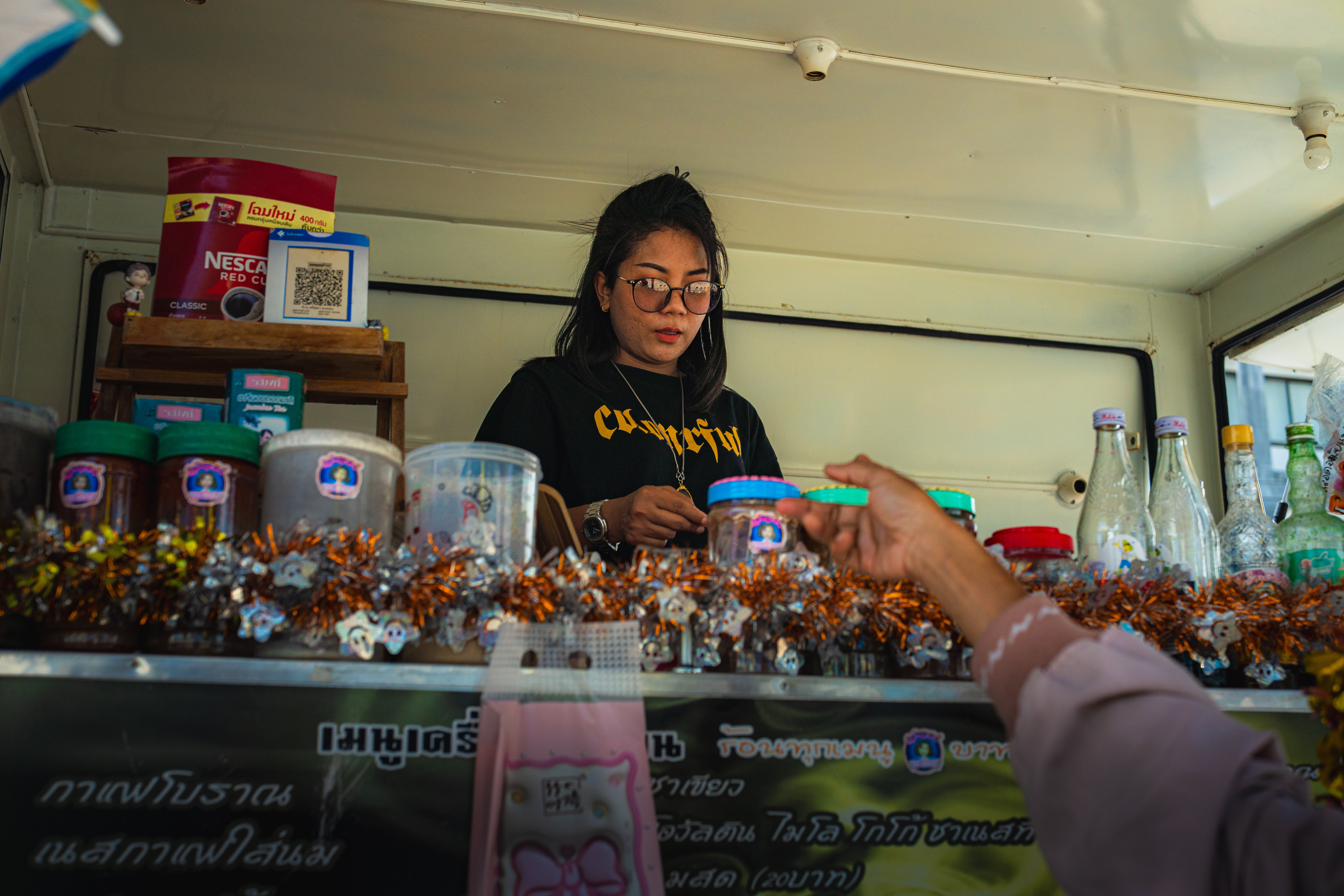
This slow, cheap travel I keep mentioning—what does it actually do? I suppose my point is that it puts you in situations you wouldn’t normally be in. If we were on holiday, with money, we would never take the third class train with no air conditioning. Which means we would have never met the group of monks we sat across from. We didn’t speak the same language, but we still connected. They showed us what it means to give without expectation, sharing food and gestures of warmth. The slow route allows you to form a better idea of what the country is actually like. In Chumphon, a local woman running a small cafe offered me a seat next to her. After chatting, she offered me a drink, but I had no money. She made me one anyway—just a quiet act of kindness. These moments, small as they were, are the ones that define our trip.
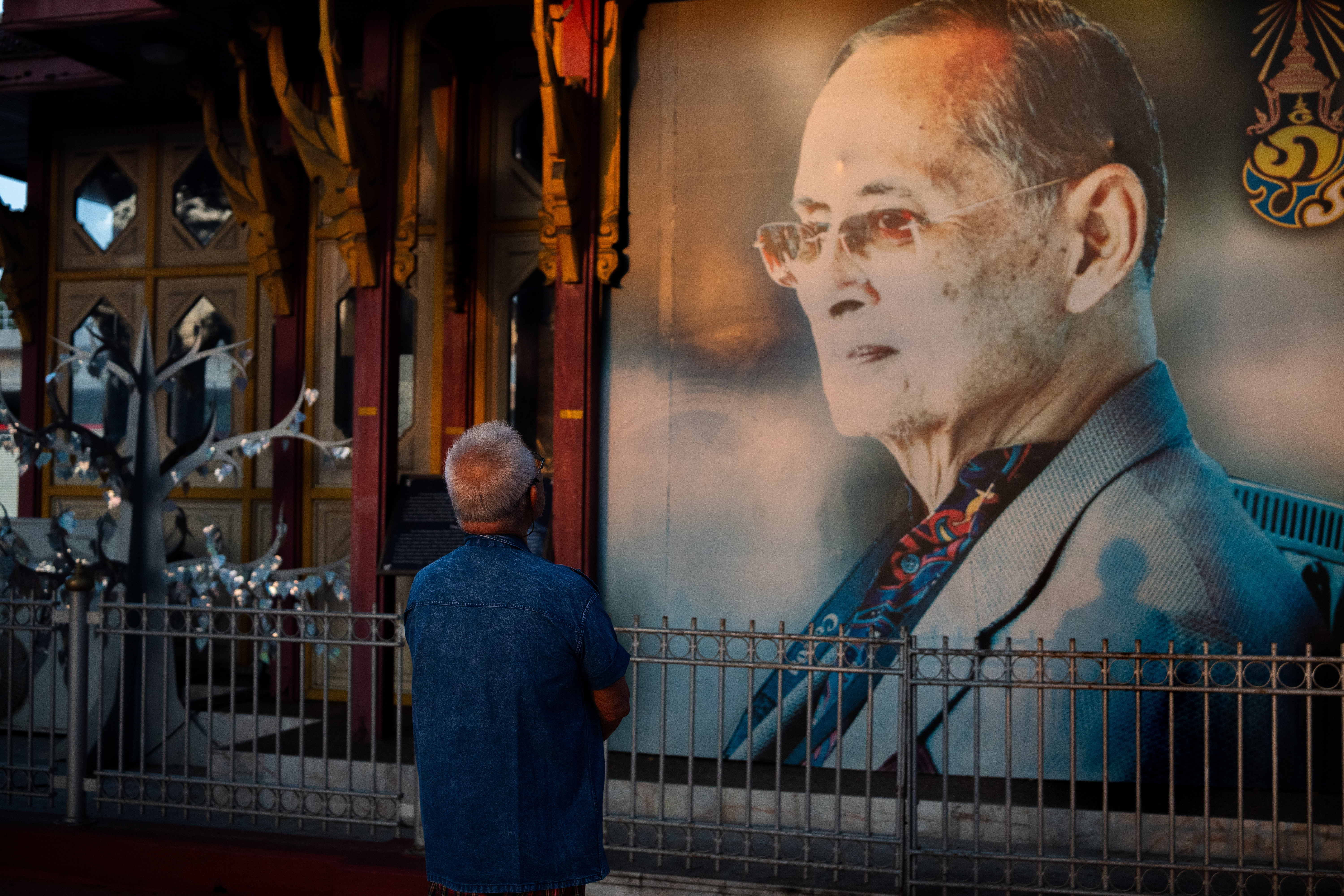
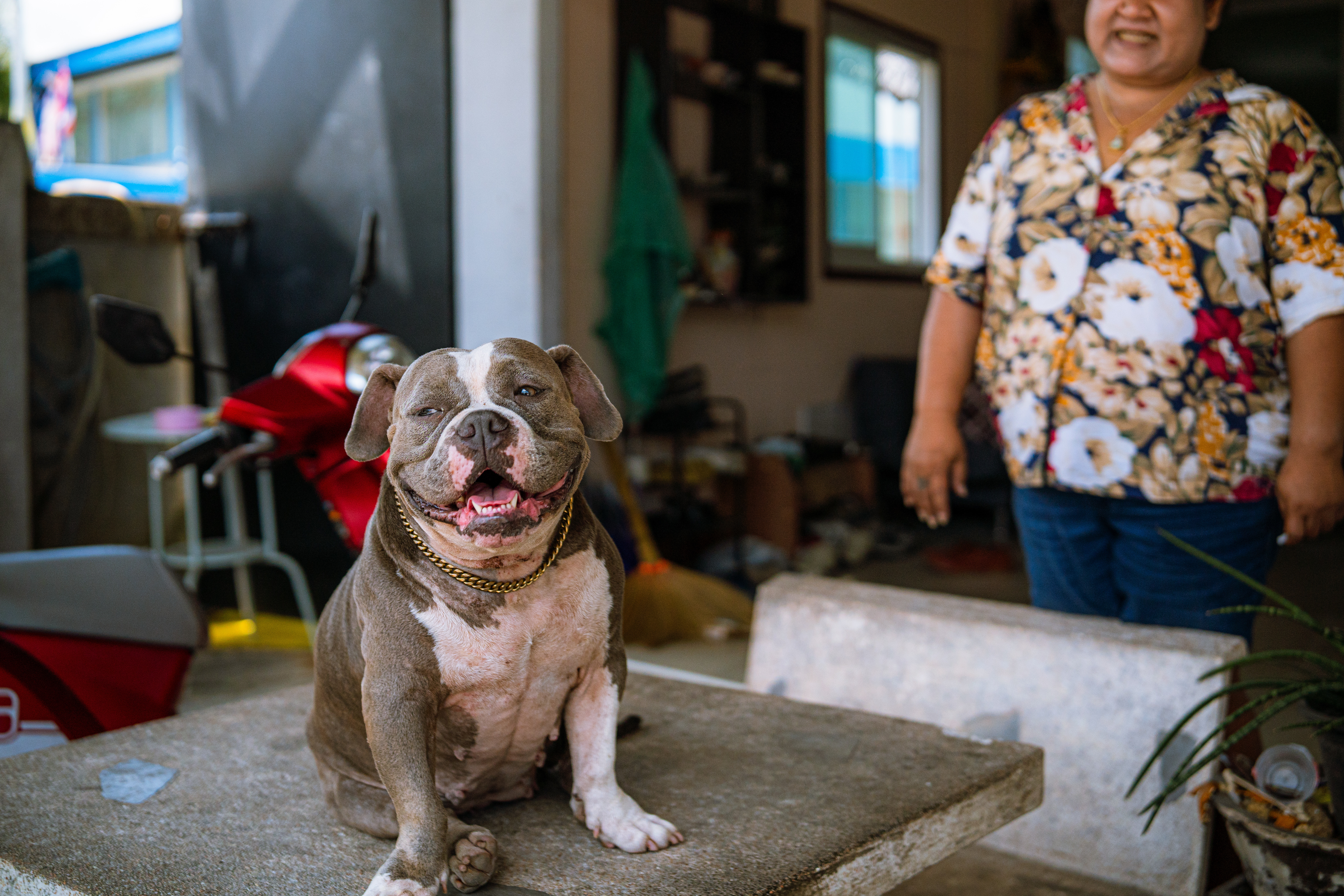
Finally, the slow route took us to Phetchaburi, my favourite stop so far. We found ourselves in a place so untouched by tourism that it felt like a secret. No crowds, no backpacker bars—just us, walking through a town that most people pass by without a second thought. Without the luxury of time, and our tight budget, we would never have visited.
How this experience improved my photography.
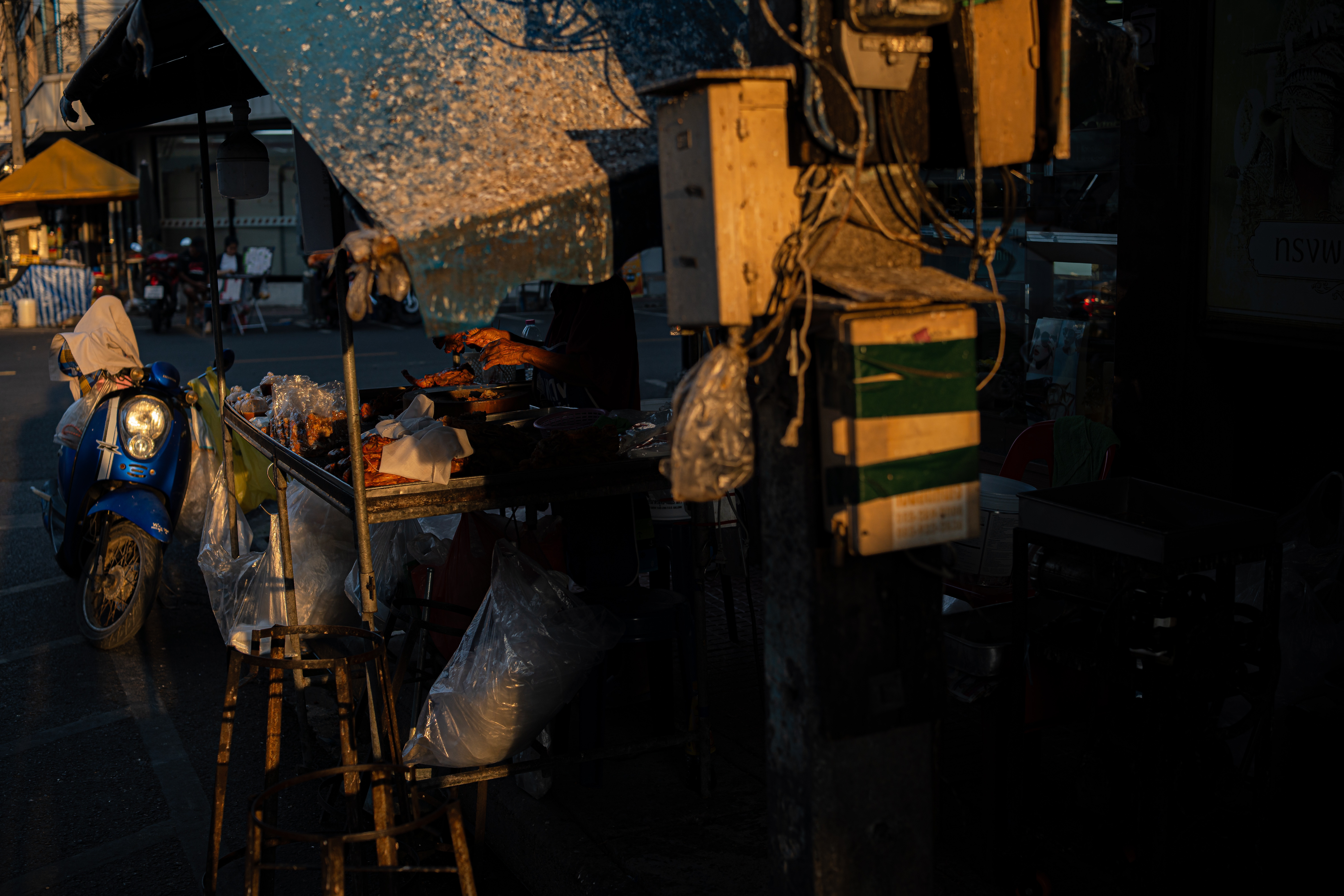
Photography played a big part in how I experienced these places. This trip really helped me hone in on what I want from my photography, and it’s to make connections and capture them. This is what I want the main premise of my content to be. You can’t force this—it has to happen naturally, so it won’t happen every day. But by putting myself into the right situations, I’m sure I can do it. It also helped me improve my storytelling ability in photography. The way the evening light caught the faces of market vendors, the movement of hands exchanging food, the fleeting expressions of strangers in transit—these are the moments that tell the real story of a place. And looking back at the photos, I realize that slow travel didn’t just change the way I saw the world—it changed the way I captured it.